In a stunning experiment, scientists transferred a longevity gene from naked mole rats into mice — and the mice lived longer and healthier.
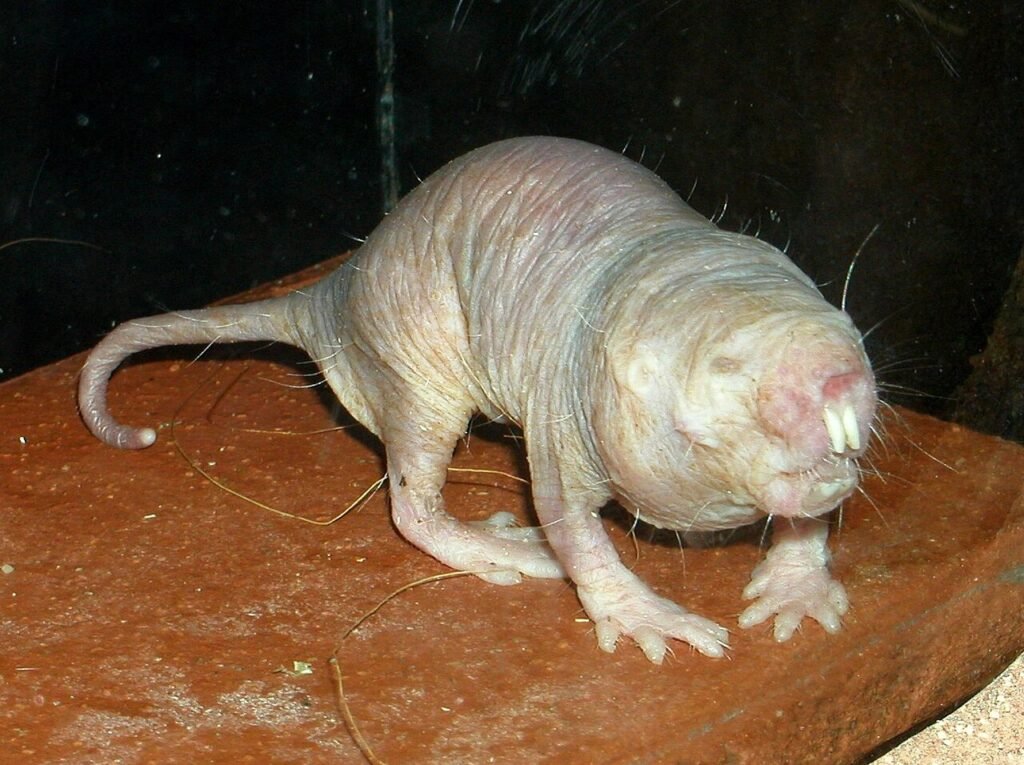
Naked mole rats are nature’s oddballs. They can live up to 30 years — ten times longer than ordinary mice — and they almost never get cancer. For decades, researchers at the University of Rochester have been trying to understand their secret. Now they’ve cracked part of the code.
The Gene That Fights Aging
The team focused on a gene responsible for producing high molecular weight hyaluronic acid (HMW-HA), a molecule that keeps tissues supple and resilient. Naked mole rats produce a version of this molecule that is over five times larger than what humans and mice make.
When the researchers transferred this gene into laboratory mice, the results were remarkable:
- Median lifespan increased by approximately 4.4%
- The mice showed lower rates of spontaneous cancer
- They maintained better overall health in old age
- Inflammation levels dropped significantly
«This is the first time a longevity mechanism from a long-lived species has been successfully transferred to a short-lived one,» said Dr. Vera Gorbunova, who co-led the study.
A Path to Human Therapies?
The researchers believe this opens a door to anti-aging therapies for humans. While we won’t be getting naked mole rat gene injections anytime soon, the study identifies HMW-HA as a promising therapeutic target.
The next step is to develop drugs that boost our own production of this protective molecule — potentially giving us a longer, healthier life without genetic modification.
Based on research published by the University of Rochester, May 2026.