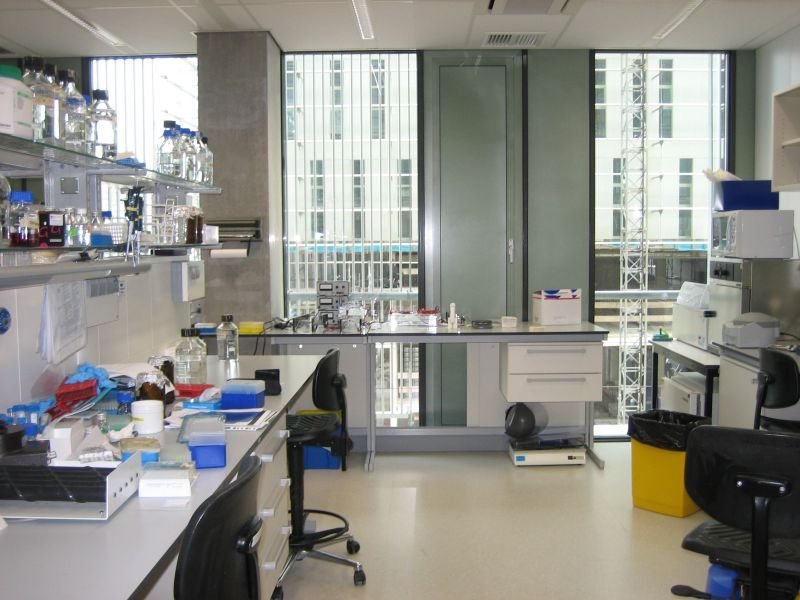
A casual conversation between graduate students at the Mayo Clinic sparked a breakthrough: tiny synthetic DNA molecules that hunt down and tag «zombie cells» — one of the main drivers of aging.
Senescent cells, nicknamed «zombie cells», are old cells that have stopped dividing but refuse to die. Instead, they sit in your tissues leaking inflammatory signals, damaging neighboring cells, and accelerating the aging process. They accumulate with age and are linked to everything from arthritis to Alzheimer’s.
The Hunt for Zombie Cells
The problem has always been: how do you kill zombie cells without harming healthy ones?
A team at Mayo Clinic found an elegant solution. They developed aptamers — short synthetic DNA strands folded into specific 3D shapes — that act like guided missiles. These aptamers are designed to recognize and bind to specific proteins on the surface of senescent cells, marking them for destruction by the immune system.
«The idea came from a lab conversation. We were talking about how to target senescent cells, and someone said, ‘What about aptamers?’ The rest is history,» recalled the student behind the breakthrough.
Why Aptamers Are a Game-Changer
Unlike traditional drugs, aptamers are cheap to produce, highly specific, and can be designed for almost any cellular target. They work like antibodies — but are smaller, more stable, and easier to manufacture.
In mouse experiments, aptamer-targeted senescent cell removal led to:
- Improved tissue function in aged organs
- Reduced inflammation throughout the body
- Extended healthspan — the period of life spent in good health
The Road Ahead
Human trials are still years away, but the concept is validated. Aptamers could one day become a routine anti-aging therapy — removing the cellular dead weight that accumulates with age.
Based on research from Mayo Clinic, published May 15, 2026.